
EVERIAL Canada manages and automates the processing of your incoming mail, whether it’s paper or digital. Each item is scanned or converted, classified, and routed to the appropriate teams or integrated into your business systems.
This gives you structured, secure data that you can immediately put to use in your operations.
70 MILLION IMAGES PROCESSED EACH YEAR
Images that have been digitized, classified, indexed, or enhanced by the teams at EVERIAL Canada.
The department accepts content received via paper mail, fax, email, attachments, or electronic files.
EVERIAL Canada can manage all or part of these workflows as part of an outsourcing service tailored to your volumes, priorities, and operational requirements.
Each batch is prepared, scanned or converted, and then classified according to its type. Relevant data and metadata are extracted, structured, and enriched before undergoing validation and quality control.
The result isn’t just an image: you get organized, indexed content that’s ready to be searched, viewed, or integrated into your tools.
The documents and data being processed are routed to the appropriate person, team, or mission system.
The rules for priority, classification, access, and distribution are configured according to your processes to trigger the next steps in the workflow without unnecessary interruptions.
Letters, envelopes, faxes, emails, and attachments arrive through various channels. When managed separately, processing them ties up your teams, lengthens turnaround times, and reduces visibility into the information received.
Opening, sorting, scanning, naming, indexing, and transferring each document takes time and resources.
Physical mail, email inboxes, and electronic files follow different paths, which makes it difficult to track them.
A complaint, invoice, or request may be held up before being forwarded to the correct department or system.
A document that is misfiled, incomplete, or sent to the wrong recipient can slow down downstream operations.
It is becoming difficult to determine when an email has been received, processed, routed, and made available to authorized users.
A structured approach to managing incoming mail allows you to consolidate these flows into a single process, improve their traceability, and route them according to your organization’s specific rules.
The forms, letters, evidence, and supporting documents received are identified, grouped, and classified, then attached to the relevant file or forwarded to the team responsible for handling the complaint.
Correspondence from citizens, administrative requests, and supporting documents received by federal, provincial, or municipal agencies can be converted into structured data and then routed according to the rules of the relevant program or service


Invoices, notices, and attachments can be identified, indexed, and forwarded to the billing department or the appropriate business application, according to the rules defined by your organization.
A centralized mailroom allows authorized employees to access the items they need without having to be physically present at a specific office or mail center.
Organizations that handle regular volumes of incoming mail, sensitive information, or files subject to specific access rules need a service that is reliable, traceable, and tailored to their operations.
Financial
Insurance
Medical
Municipal
Government
01
Mail is received directly or routed to the agreed-upon system. Paper and electronic incoming mail are combined into a single processing workflow.
02
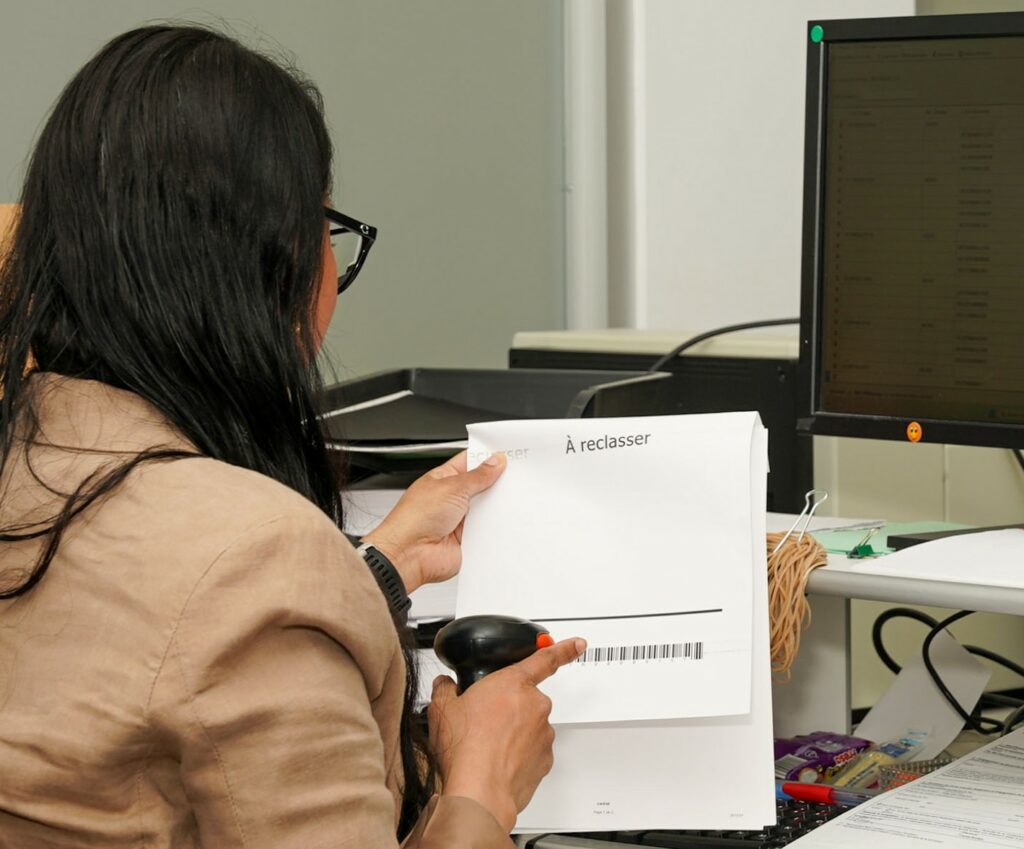
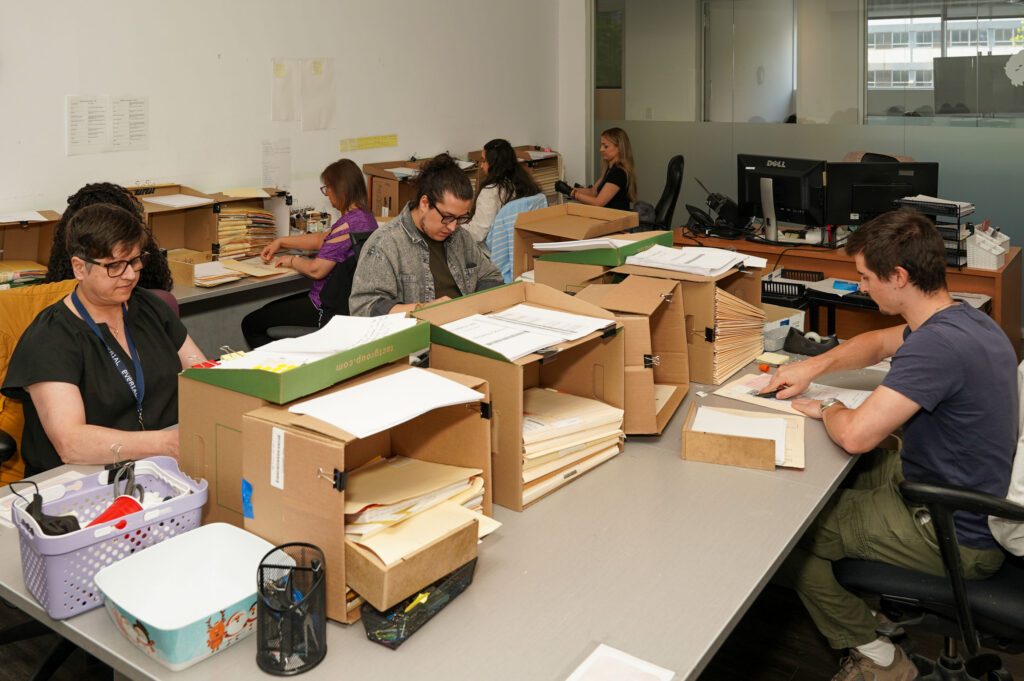
Physical documents are prepared and then scanned using equipment suited to their format, condition, and the volume to be processed. Emails, faxes, and attachments are converted to the format specified during the scoping phase.
03
Document recognition, automated extraction, and—depending on the project—artificial intelligence technologies identify the nature of the content, apply classification rules, and extract relevant data or metadata.
04
The extracted components are inspected according to established requirements. Any exceptions may be referred for appropriate inspection prior to delivery.
05
Images, files, and structured data are transmitted to authorized users, relevant teams, or applications responsible for further processing.


Before implementation, the teams at EVERIAL Canada analyze your mail intake channels, volumes, types of mail, priorities, security requirements, and the systems to be fed.
Together with you, they define the rules for classification, extraction, verification, and distribution, and then validate the system’s operation before deployment.
Production monitoring and exception analysis then allow you to adjust the service to changes in your volumes and needs.
By automating repetitive tasks and organizing data as soon as it is received, the department streamlines the teams’ work and speeds up activities that depend on incoming content.
Documents are routed more quickly to the correct department or tool. Authorized users can also access them remotely, without having to wait for physical mail to be delivered.
Automating sorting, scanning, indexing, and routing reduces the time spent on manual tasks and helps minimize the costs associated with handling, transporting, and processing paper mail.
Intelligent classification, extraction, and quality control reduce the risk of errors during data entry, filing, and distribution.
Each step can be tracked to better control access, trace a document’s path, and support your audit requirements.
The service operates upstream of your operations. It processes incoming content before forwarding relevant images, files, and data to the tools your teams already use. Integration options and connection methods are determined based on your architecture and the selected scope.

These benchmarks illustrate the experience and resources available for building and operating large-scale data streams.
Before automating your mail, we seek to understand how your teams work, what information is a priority, and where it needs to be routed. It is this understanding that allows us to build a reliable processing system and then tailor it to the realities of your operations.

Ian HERNANDEZ
Director of Operations – EVERIAL Canada
Incoming mail may contain personal, financial, medical, or administrative information. Its processing must therefore protect documents and data, control access, and maintain a record of the operations performed.

A digital mailroom is a service that centralizes the receipt and processing of incoming correspondence. It scans or converts documents, files them, extracts relevant information, and forwards them to the appropriate department, user, or system.
The service can handle paper mail, envelopes, letters, faxes, emails, attachments, and other electronic files. The exact scope is determined based on the channels used by your organization.
No. A post office box—sometimes referred to as a “mailbox”—a virtual office, or a mail forwarding service primarily addresses the need for an address and mail reception. A digital mailroom processes incoming mail to sort it, enrich it, and integrate it into your business processes.
Yes. Both paper and electronic documents can be processed through the same classification, review, and distribution workflow. However, different rules may be applied depending on the type of content, its priority, or its level of sensitivity.
Routing rules are defined during the scoping phase. They may be based on the document type, the extracted data, the address, the relevant program, the priority, or any other information agreed upon with your organization.
Yes, when integration is included in the project. Documents and data can be transferred to your mission-critical systems, business applications, document management system (DMS), information management system (IMS), or other document repositories, according to the technical specifications defined during the analysis.
The cost depends, among other factors, on the volume of mail, the supported channels, the expected sorting and retrieval operations, processing times, and the systems to be fed. The price of the service and any setup fees will be specified after we analyze the scope of the project and your needs.
The scope of the project focuses, in particular, on input channels, document types, volumes, filing rules, data to be extracted, security requirements, and the tools to be populated. This analysis enables the system to be configured and tested before it goes live.
From document receipt to processing and archiving, EVERIAL Canada helps you optimize and automate your document management processes. Discover the services and solutions that complement your digital mailroom project.
We handle your document management processes, from scanning to archiving.
Software solutions designed to capture, manage, and automate your document workflows.
An expert analyzes your workflows, constraints, and environment before proposing a tailored approach.